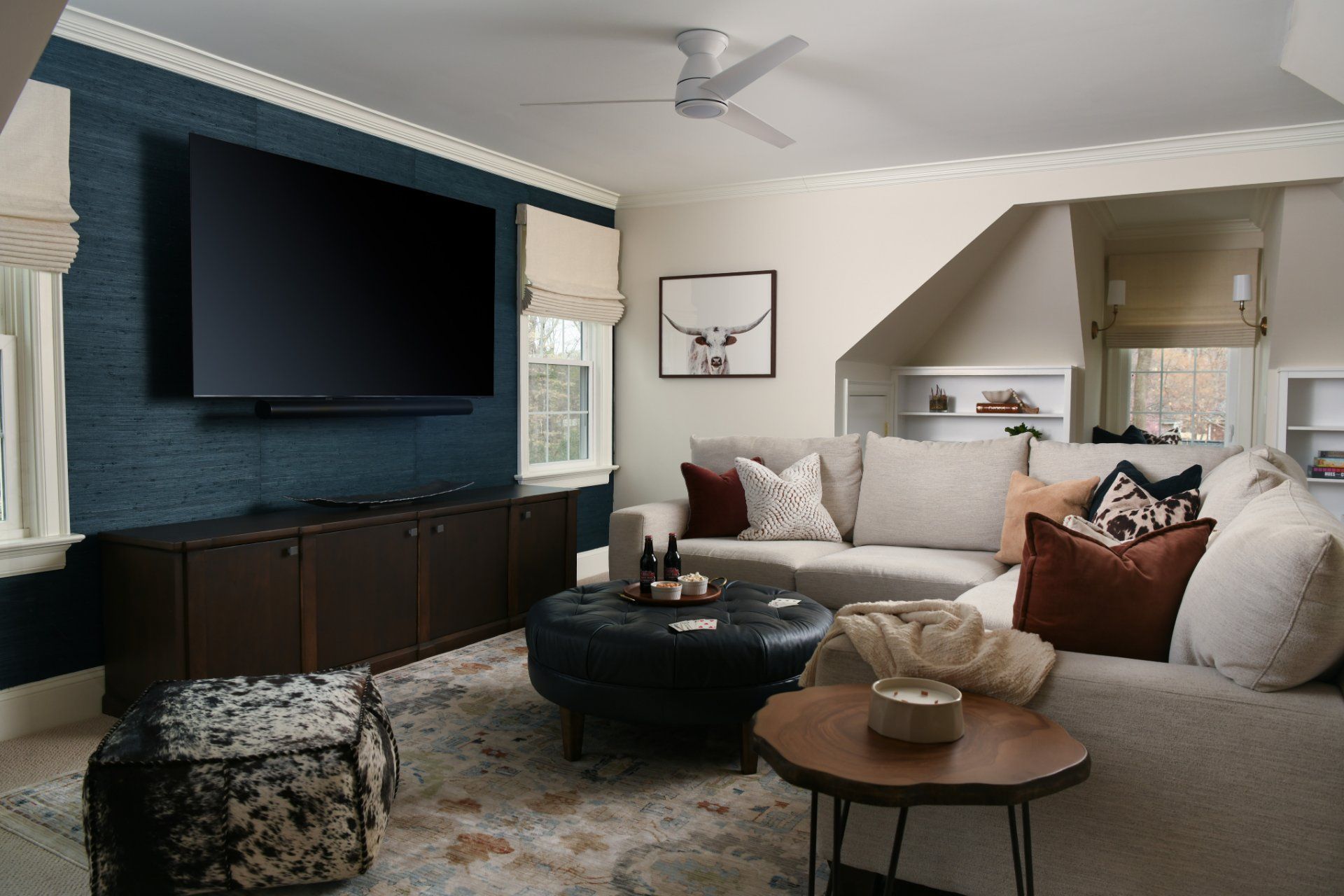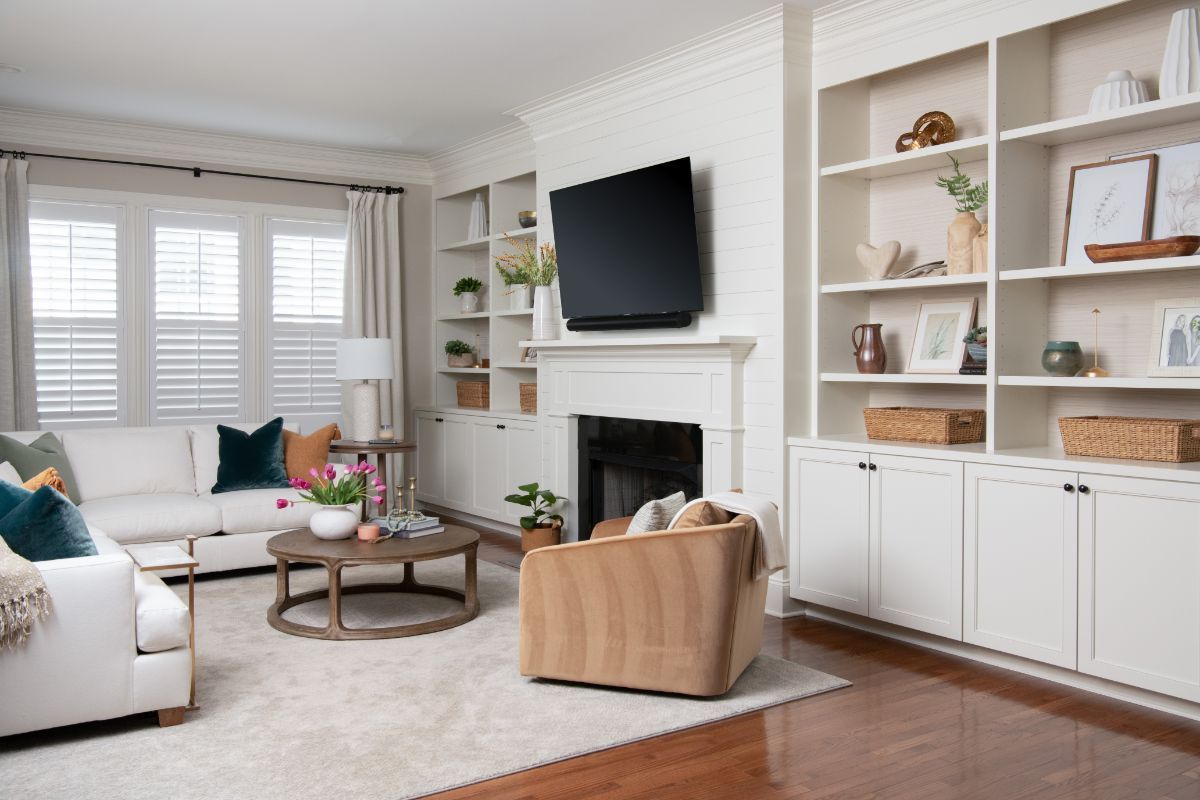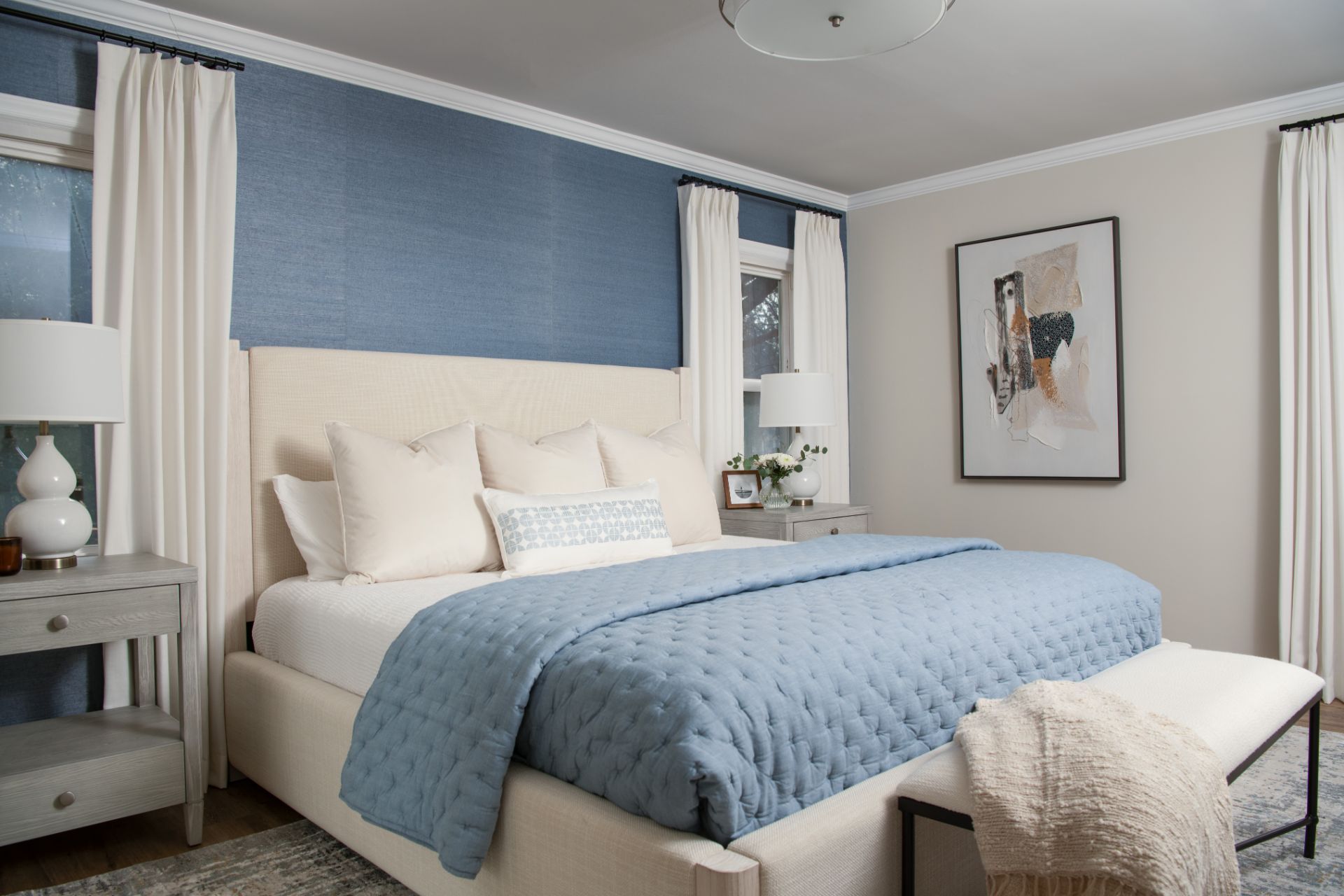
I always like to compare renovation projects to becoming a parent for the first time. In the beginning, everything is exciting. Then, as the months go by, the excitement is still there, but you're getting tired and wondering when you'll finally reach the finish line. And those last couple of weeks? They seem to last forever. You're just waiting, asking yourself, "Is this baby ever going to come out?"
Renovation projects can feel the same way. By the end, everyone is ready for the project to be finished—but once it is, all the waiting feels worth it.
A renovation is a major undertaking, especially when there is a lot of construction involved. While you’re excited to see your vision come to life, doing it by yourself can lead to tiredness, overwhelm, and stress, which can lead to mistakes in your overall design.
Here’s the good news: Most renovation headaches can be avoided with planning before construction ever starts.
Over the years, we've noticed some common mistakes that can slow projects down, increase costs, and create unnecessary stress. Here are the top ones we see, and how to avoid them.
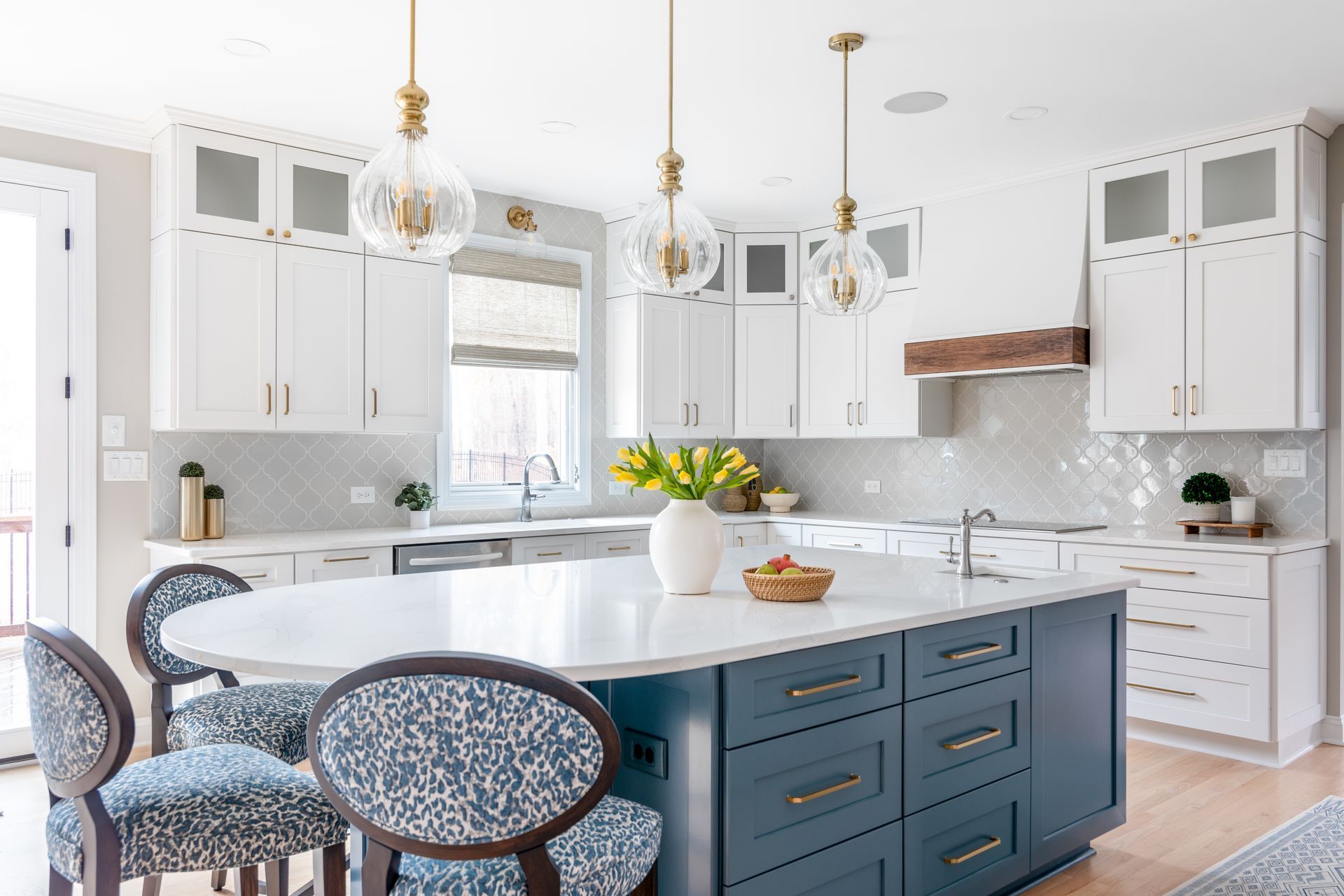
Planning a Renovation? Avoid These Common Remodeling Mistakes
It’s common to see homeowners start their renovation excited, only to feel overwhelmed by hundreds of decisions before construction even begins.
One day you're choosing paint colors, and the next you need to decide on plumbing fixtures, tile layouts, cabinet hardware, lighting placement, countertop materials, ventilation, appliances, and so much more. There’s a lot of architectural knowledge that goes into arriving at the right answer in these decisions.
While you can do research on your own, having someonr knowledgable by your side can truly make a difference, especially when you're building or renovating your dream home.
However, in our experience, homeowners who decide to “DIY” or
hire a contractor directly often make these common mistakes.
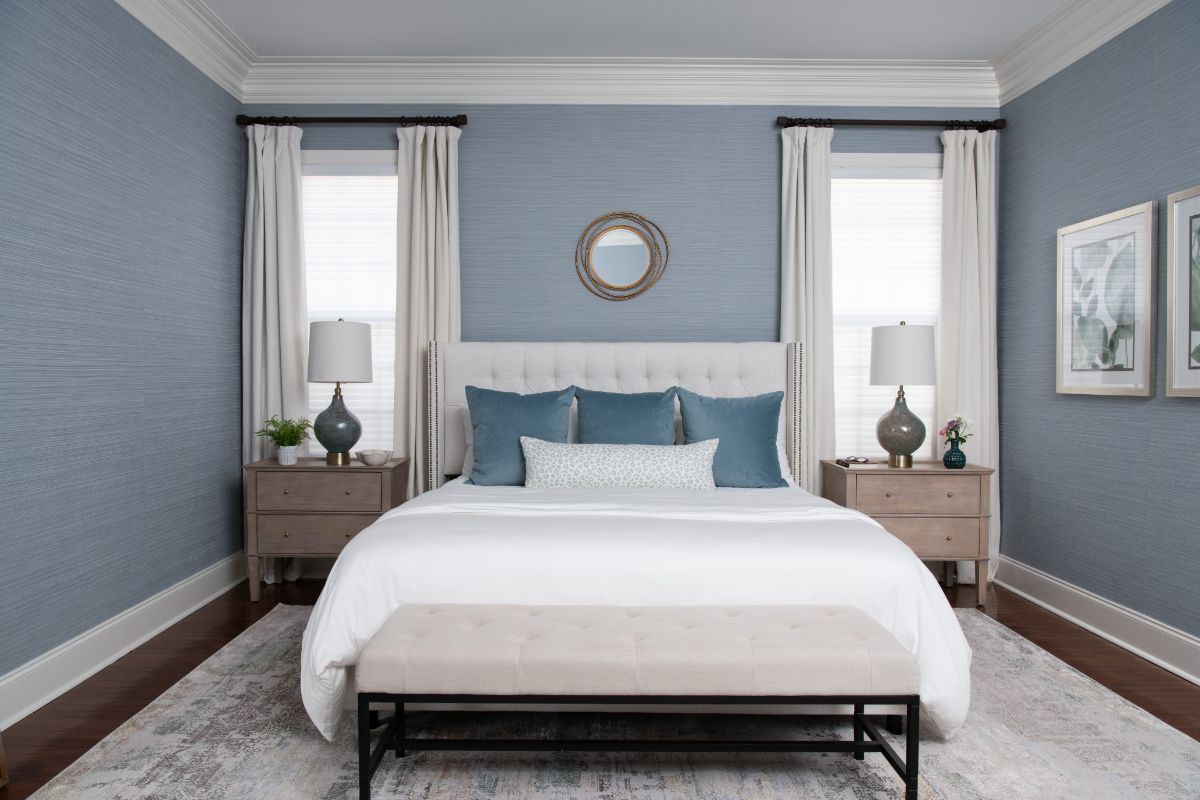
Mistake #1: Starting Without a Plan
Imagine planning a road trip with your family to a new state and hopping into your car without a GPS or map to where you’re going. You’re probably not going to make it very far.
The same goes for design: starting without a plan or hiring a contractor before you have created a vision for your project is one big headache you want to avoid.
We’ve had projects in which our clients have hired a contractor, but they reach a point where they feel overwhelmed with decisions.
The reality is a contractor's job is to build. A designer's job is to plan.
Without a detailed plan, homeowners need to make important decisions on the spot, sometimes without even realizing how many choices they have to consider.
For example, if they’re renovating a kitchen or bathroom, you need to consider things like:
- Cabinet layout
- Countertops
- Tile
- Plumbing fixtures
- Hardware
- Lighting
- Paint
- Flooring
Designers have the knowledge to guide you through each step of the process, ensuring you make the right choices for your home, especially because each decision affects the next.
It’s like baking a cake: you cannot skip any steps in the recipe; otherwise, your final product will be less than appealing.
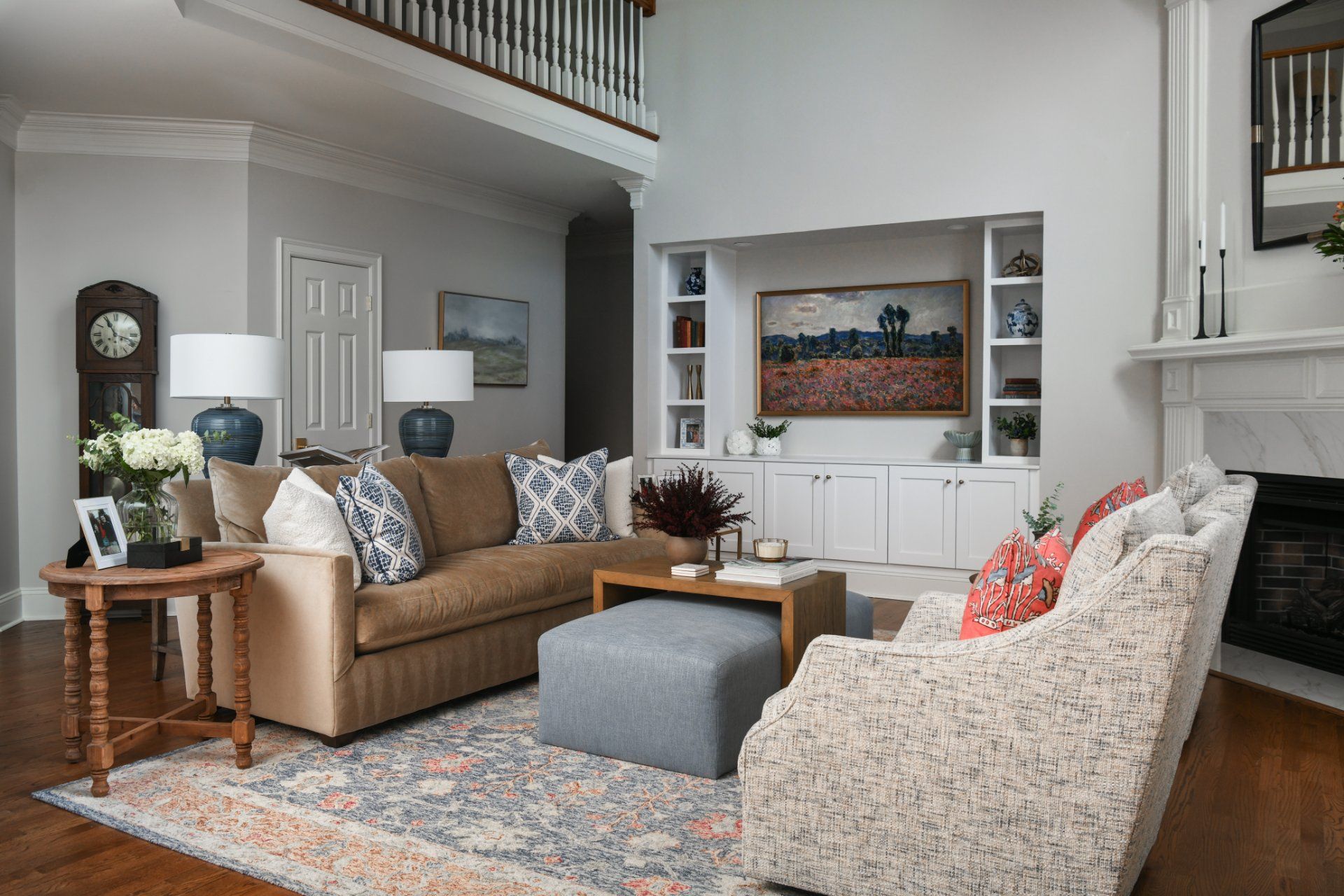
In Project Room for Everyone, something similar happened to our clients. While they had a plan, they hired a contractor first, and once construction started, they quickly realized they needed help making all the design decisions.
The contractor began asking questions like:
- Which countertop do you want to use?
- Which hardware will you add?
- What tile should I order?
Our clients had no idea and were overwhelmed by the number of options, so they reached out to us. We stepped in at the right time to help them create a complete design plan before the construction continued.
In addition to making the selections there are other decisions that come with those, such as:
- What type of edge for the countertop?
- What's the placement of the hardware?
- How is the tile laid out and how is it finished on the edges?
And the end result? A cohesive home perfect for my clients to enjoy.
The biggest takeaway is that a well-thought-out design plan gives everyone confidence before construction begins.
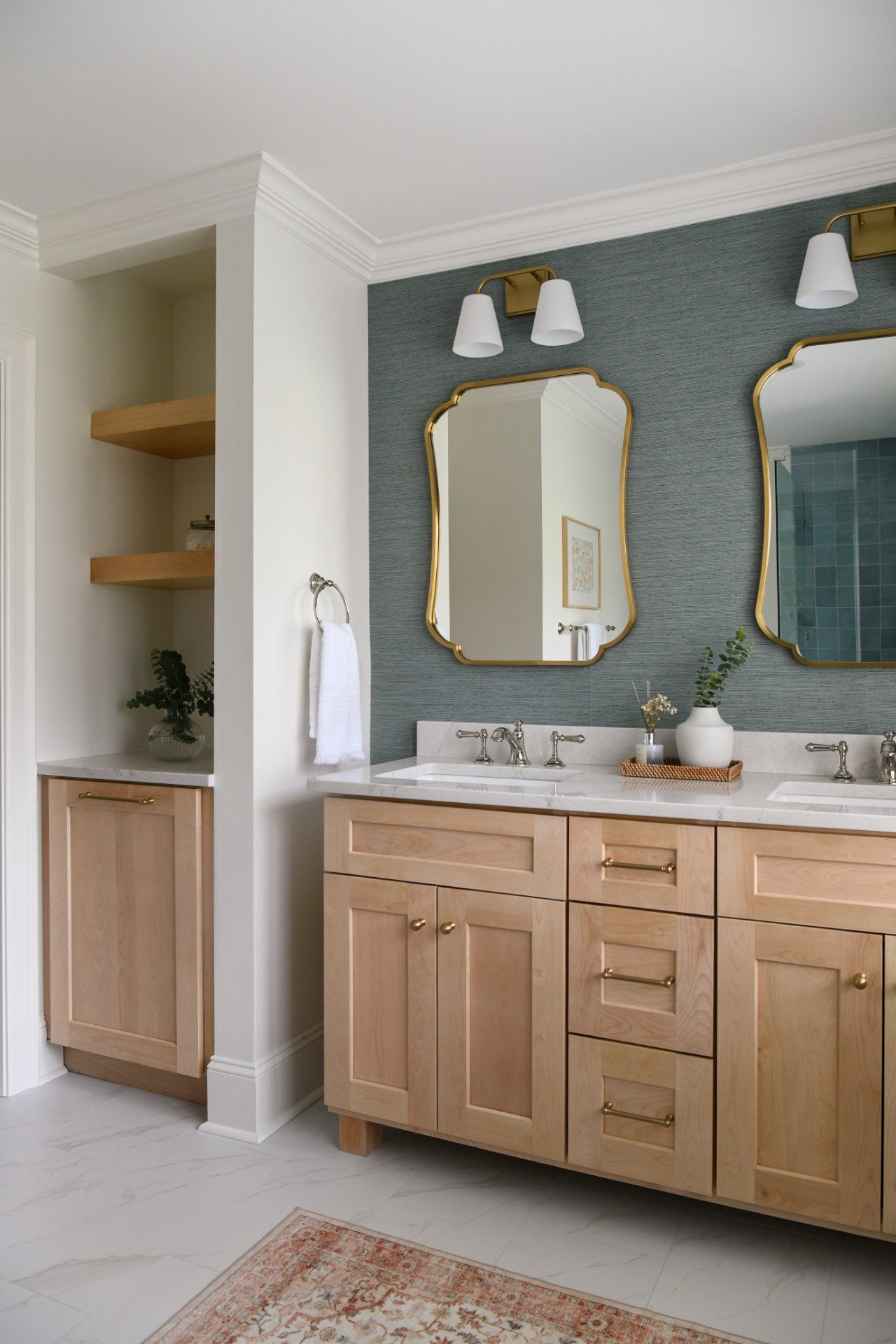
Mistake #2: Not Thinking About Functionality, Only Looks
Beautiful isn't enough. A successful renovation should support your daily routine.
In every project, we always start by learning how clients use their spaces. During our initial consultation, we ask important questions about their lifestyle and daily routines.
- Do you entertain?
- Are you a coffee lover?
- Do you bake?
- What appliances do you use every day?
- What frustrates you about your current space?
- Are your kids involved in sports or any other activities?
- What do you like to do in your free time? Travel, hanging out with friends, reading, etc.
Our design process is so thoughtful that every answer shapes the final design. We consider the tiniest details in our design because we know it will make our clients happy.
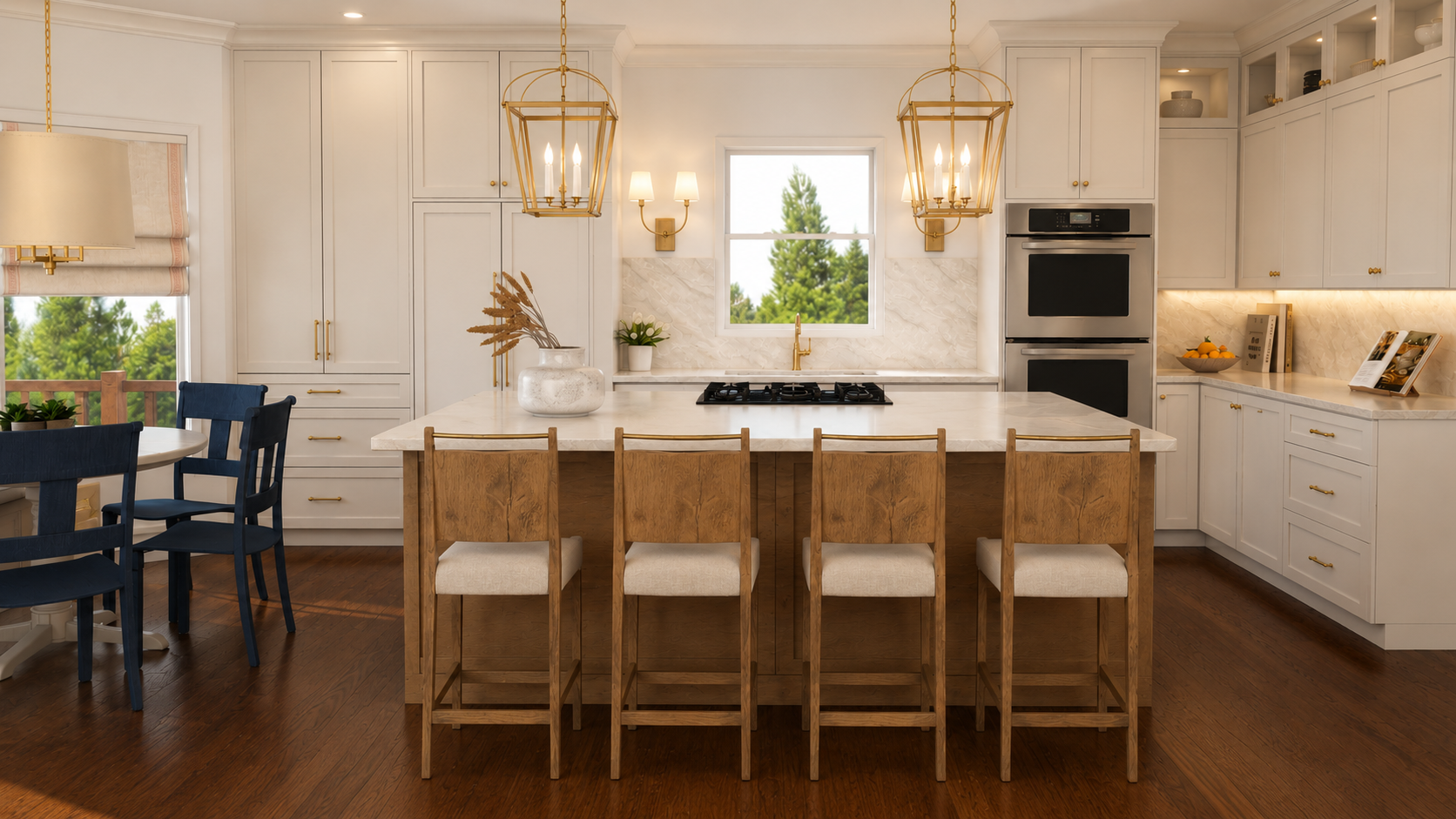
We're about ready to begin construction on our Project Firethorne Renovation, in which we are renovating the kitchen.
One of the things that came up during a design meeting was that this family uses a Ninja Creami almost every day.
Instead of leaving it on the countertop, we designed a dedicated space in the kitchen with pocket doors to keep it easily accessible and maintain a clean, uncluttered kitchen. How cool is that?
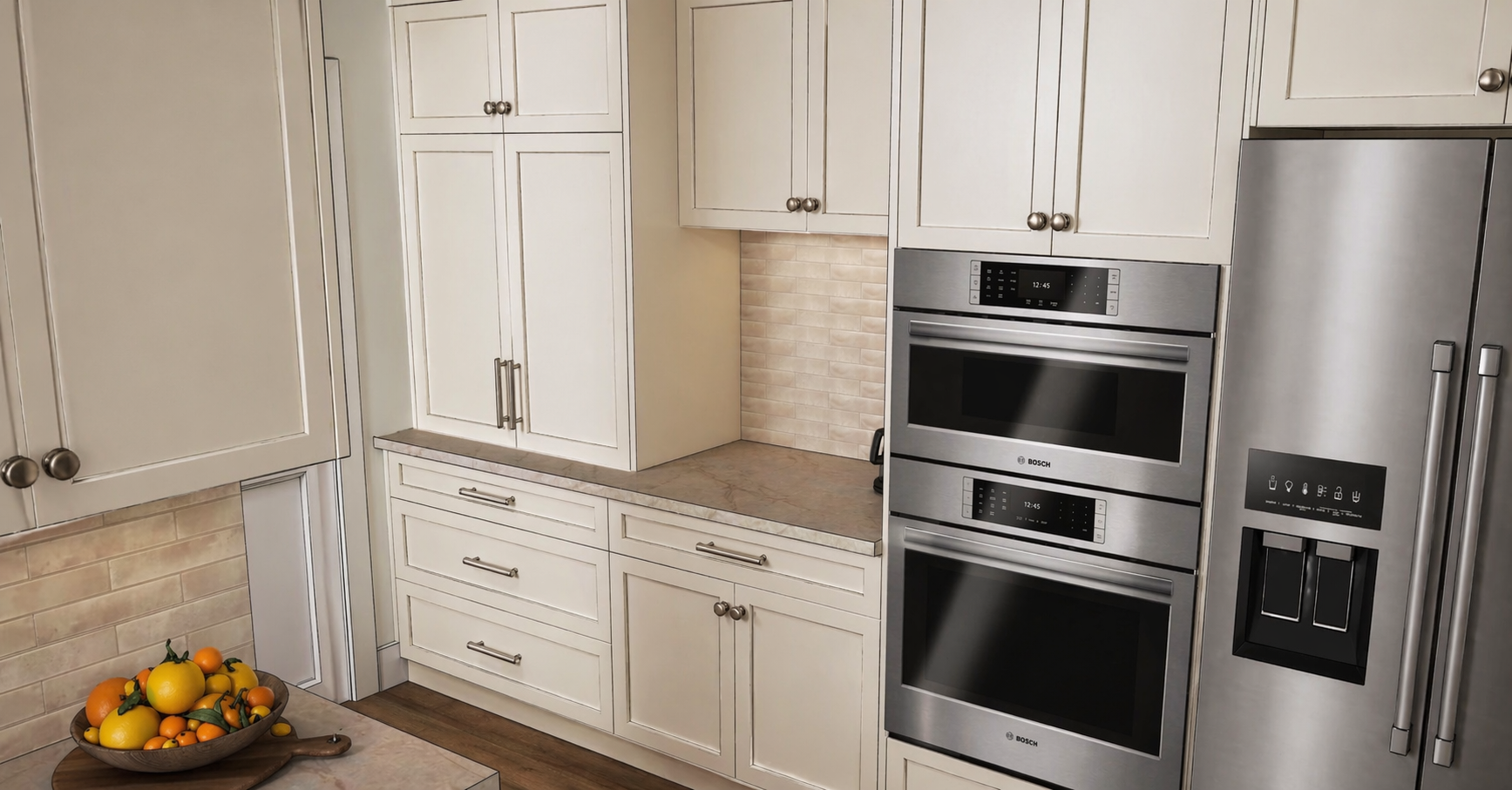
You can only achieve details like these with a professional by your side who knows what works and looks better for your home.
Mistake #3: Not Having A Clear Vision
Let’s say you plan a vacation to your favorite spot, but you don’t check the weather at your destination, and you pack a totally different outfit from what you will need. You will end up not using what you brought and having to spend more on clothes you’re actually going to use.
In the same way, a design project is not successful without a vision or knowledge of the end goal. As we say to our clients, our goal is not to copy the design but to provide them with the right tools based on their inspiration.
At the beginning of every project, we always ask our clients for inspiration photos, and we ask them questions like:
- What draws you to the space? Is it the colors, mood, or layout?
- What’s your favorite element about these rooms? The materials, lighting, decor pieces, etc.
- How do they envision their life in that space
- How do you want it to feel?
- What’s the main reason behind renovating?
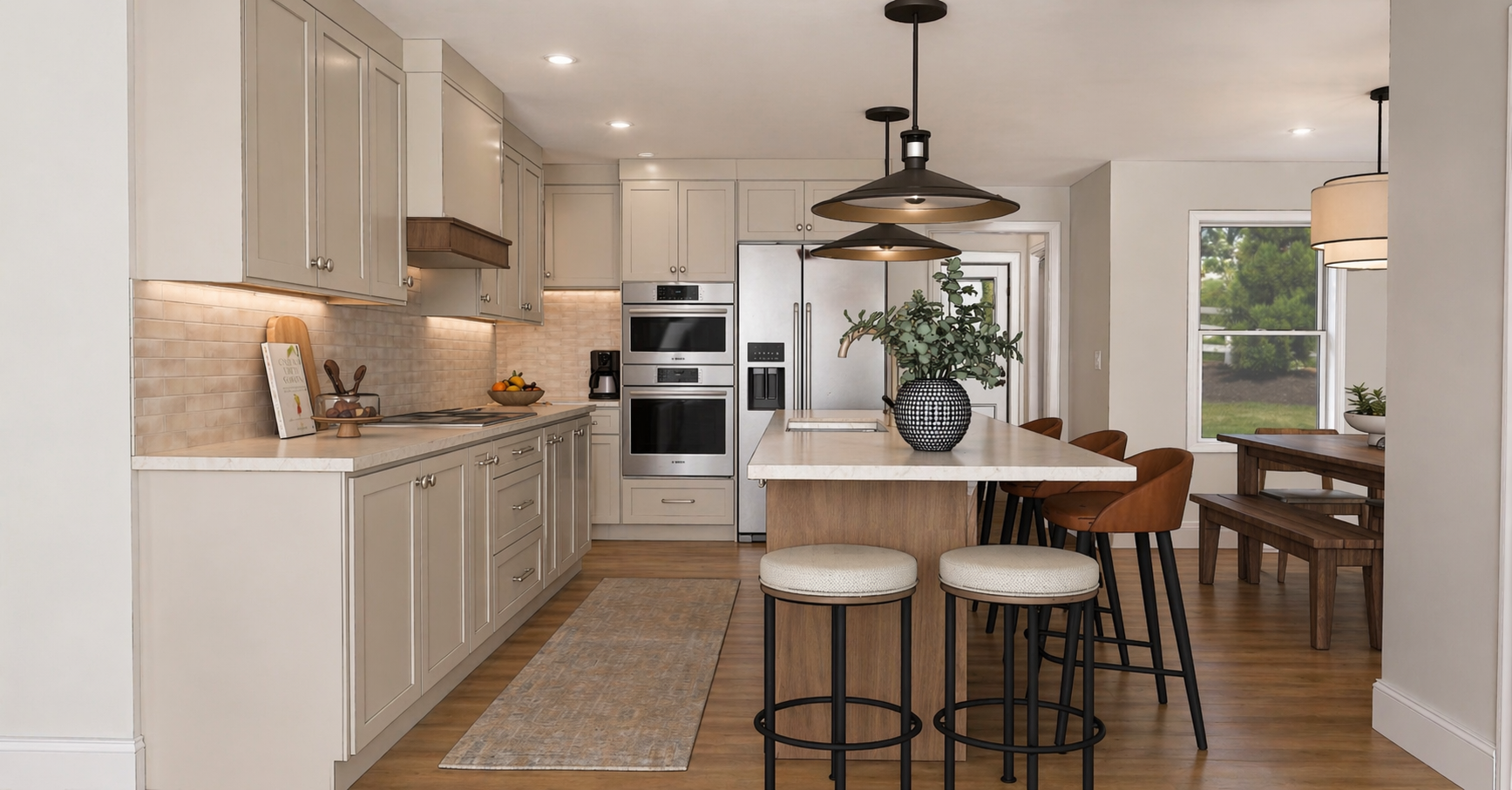
In the end, understanding why you love a room helps create a home that's uniquely yours rather than a copy of someone else's.
Every renovation comes with multiple decisions, but they don't have to feel overwhelming.
The most successful projects begin long before construction starts, with planning, clear priorities, and a design tailored to the way you live.
When you invest the time to create a complete plan, your contractor has a clear roadmap, your project runs more smoothly, and you can enjoy the process knowing you’ve considered every detail.
If you’re ready to start planning your next project—whether it's updating a kitchen, a bathroom, or your entire home—we're here to guide you through every decision, from the big-picture layout to the smallest finishing details.
Pin this article here for inspiration.
What’s your design style?
Find out what kind of interior design best suits your inner self. From Transitional to Modern, it's time to make your home a place you’ll love!
You can opt-out at any time. Please note we do not share your information with anyone.

I work with busy families to create beautiful and functional spaces by providing local design services in the Charlotte/Waxhaw area and beyond through online design.

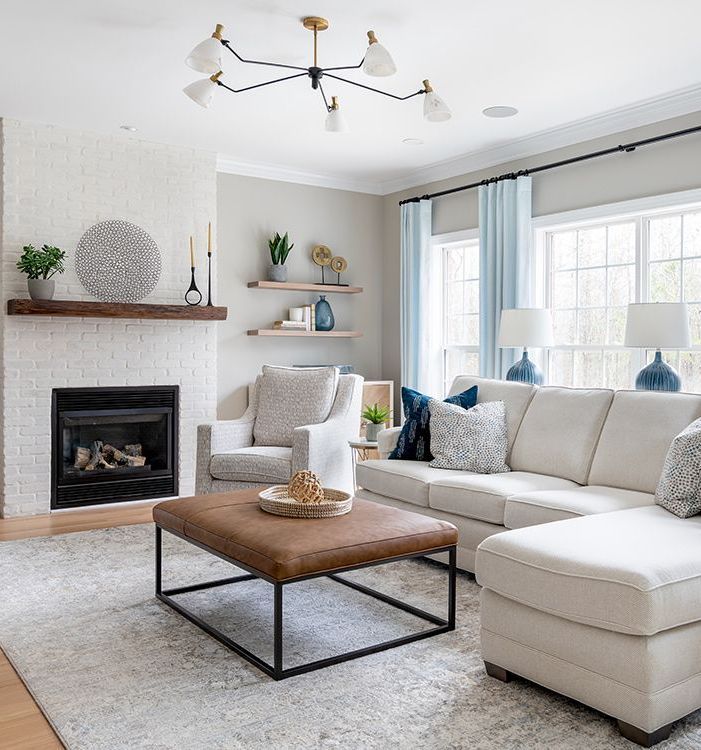
What’s your design style?
Find out what kind of interior design best suits your inner self. From Transitional to Modern, it's time to make your home a place you’ll love!
You can opt-out at any time. Please note we do not share your information with anyone.

Recent Posts